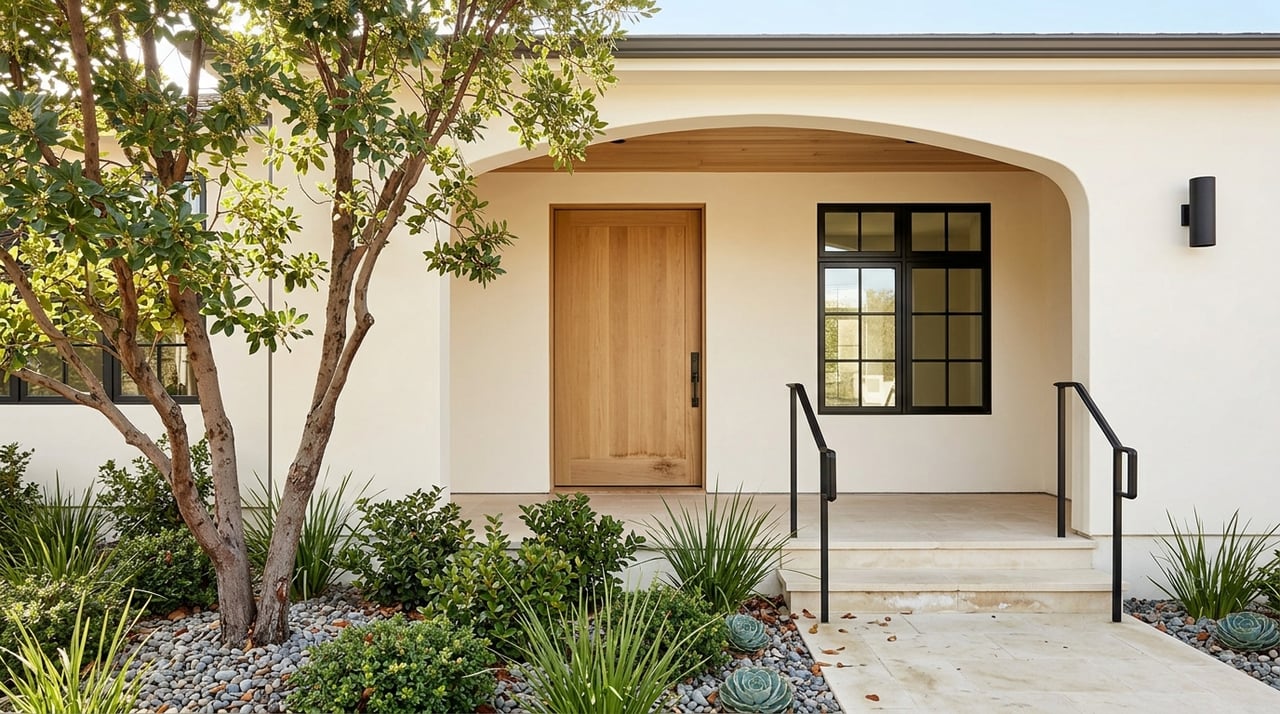
Monterey Real Estate Market Trends for 2026 Buyers
May 21, 2026
May 21, 2026
If you are thinking about buying in Monterey, you are probably asking the same question many buyers are asking right now: Is this finally a market where I can slow down and negotiate, or do I still need to move fast? The honest answer is somewhere in the middle. Monterey is not showing signs of a deeply oversupplied market, but it is also not moving at one speed across every price point and property type. By understanding the latest trends, you can shop more confidently, spot real opportunities, and make a smarter plan before you jump in. Let’s dive in.
Monterey’s real estate market looks mixed in spring 2026, which is why headlines can feel confusing. Current MLS data shows single-family homes with a median sale price of $1,190,000, 21 median days on market, and 3.6 months of inventory. Attached homes, including condos and townhomes, show a median sale price of $545,000, 42 median days on market, and 4.7 months of inventory.
Some sources describe Monterey as balanced, while others still call it seller-leaning or very competitive. That does not necessarily mean the data conflicts. It usually means each source is measuring something different, such as closed sales, active listings, or a home value index.
The clearest takeaway is this: Monterey appears closer to balanced than overheated, but well-positioned homes can still attract strong attention and move quickly. If you are waiting for a dramatic buyer’s-market shift, the current numbers do not really support that.
As a buyer, you should expect a market with selective competition. You may not need to rush on every home you see, but you also cannot assume you will have unlimited time to decide. The best listings, especially in popular coastal settings or with standout features, may still draw multiple offers.
Sale-to-list data also matters here. Recent figures show homes in both major segments selling at about 98% of list price, and Redfin’s citywide figure is about 97.7%. That suggests there may be some room to negotiate, but on average, Monterey is not showing deep discount territory.
This is why pricing strategy matters so much. A home that is well-priced and well-presented may move fast, while a listing that has been sitting longer than average could offer more leverage.
If you are shopping for a single-family home in Monterey, it helps to be prepared for the tighter part of the market. The latest MLS snapshot shows just 36 active single-family listings, 19 closed sales last month, and a median of 21 days on market. Inventory at 3.6 months points to a market that still has pressure in this segment.
The median sale price for single-family homes is $1.19 million, while the average sale price is much higher at $1.56 million. That gap suggests higher-end sales are pulling the average upward, which is important when you compare neighborhoods or price bands. Median price often gives you a clearer picture of the typical transaction.
For buyers, this means the single-family category may require stronger preparation. If you find a home that checks your boxes on location, condition, and layout, you may need to act quickly and submit a clean, competitive offer.
Citywide data shows Monterey remains very competitive in many cases, with some homes receiving multiple offers. Hot homes can go pending in around 10 days. That does not mean every home will move that fast, but it does show that the most appealing properties are still drawing urgency.
This is especially true when a home offers a combination buyers value highly, such as coastal access, views, updated condition, or a strong lifestyle location. In a market like Monterey, those features can matter just as much as square footage.
If you want a little more flexibility, attached homes may be worth a closer look. Condos and townhomes in Monterey are taking longer to sell than single-family homes, with a median of 42 days on market and 4.7 months of inventory. That gives buyers a bit more room to compare options and negotiate thoughtfully.
Still, attached housing is not one simple bargain category. Current listings show a very wide range of pricing, from entry-level condos to high-end luxury units. That spread tells you the market is shaped by more than property type alone.
Townhomes are also relatively scarce. Current city pages show only a handful of townhome listings compared with more condo inventory, so availability can be limited if that is your preferred format.
One of the more interesting details in the current Monterey data is that the median price per square foot is $698 for both single-family and attached homes. That does not mean they offer identical value. It does mean that factors like location, view, parking, building condition, and amenities can carry just as much weight as whether the home is detached or attached.
For buyers, that is a reminder to compare properties carefully. A condo with strong views, good parking, and a well-maintained building may compete closely with a small single-family home on a price-per-square-foot basis.
Monterey is not just a coastal housing market. It is also a major visitor destination, and that matters when you are buying. Monterey County receives about 4.6 million visitors each year and includes 222 lodging facilities with 11,878 hotel rooms.
The city’s planning documents describe tourism as a vital part of the local economy, and the local events calendar shows a busy summer season with large events like Monterey Car Week. In practical terms, this can make the market feel more competitive in areas near the waterfront, Cannery Row, and downtown, especially during peak visitor months.
That does not mean tourism changes the entire market overnight. It does mean lifestyle-oriented homes may draw more buyer attention in spring and summer, when Monterey’s appeal is especially visible.
If your timing is flexible, shopping outside the busiest tourism and event periods may reduce some day-to-day competition. You might find it easier to schedule tours, compare homes, and move through the process with a little less pressure.
That said, the data does not point to a dramatic seasonal price drop. The better way to think about timing is that you may find slightly better leverage during quieter periods, not a full market reset.
The right approach in Monterey depends on the type of home you want and how flexible you can be. A strong strategy can help you compete without overextending yourself.
Here are a few practical ways to think about your search:
The biggest mistake buyers can make right now is treating Monterey like one simple market. It is more accurate to think of it as a collection of smaller market segments, each moving at its own pace. Single-family homes, condos, luxury coastal properties, and listings with standout lifestyle appeal all behave a little differently.
That can actually work in your favor. When you understand where competition is strongest and where flexibility exists, you can be more strategic with your budget, timing, and offer terms.
Monterey today looks like a market where preparation matters more than panic. If you are clear on your goals and realistic about pricing, there are still good opportunities to buy well.
If you want help making sense of Monterey’s shifting market and building a buying strategy that fits your goals, connect with 360 Real Estate Professionals. Their boutique, client-first approach can help you move with clarity and confidence in Monterey and across the Central Coast.
Stay up to date on the latest real estate trends.
Get assistance in determining current property value, crafting a competitive offer, writing and negotiating a contract, and much more. Contact us today.
"We are never too busy for referrals!"
360 REAL ESTATE PROFESSIONALS
4740 Scotts Valley Dr Ste E,
Scotts Valley, CA 95066
Let's socialize