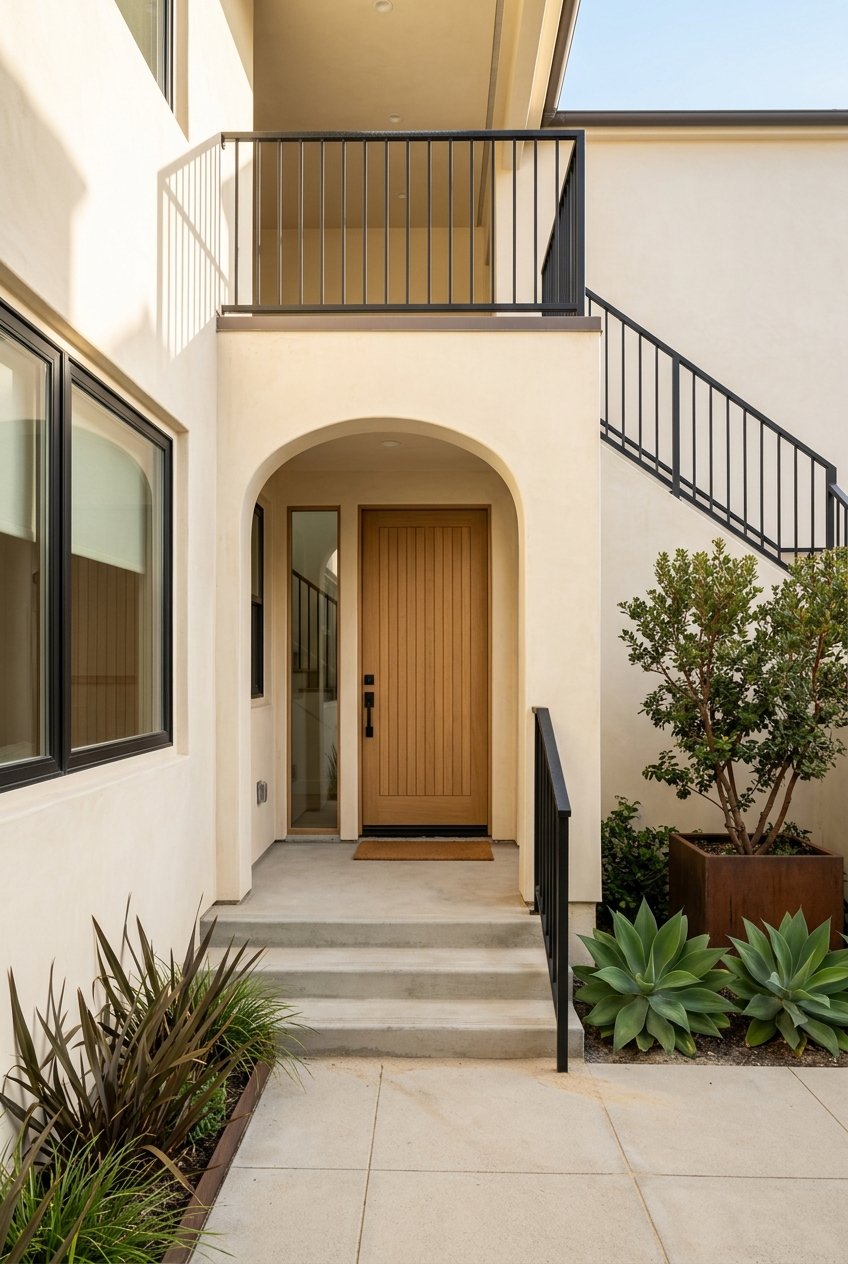
Santa Cruz Condo And Townhome Living Near The Beach
June 11, 2026
June 11, 2026
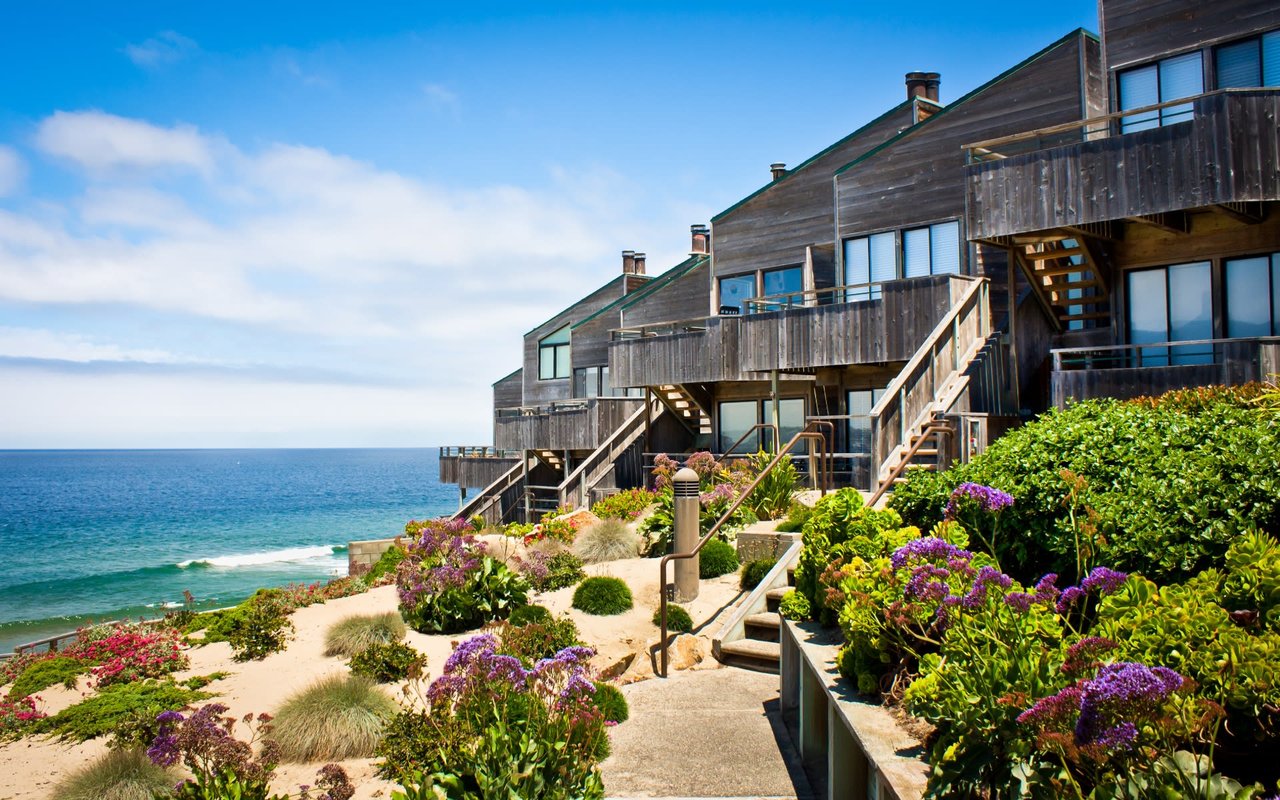
Dreaming about waking up near the coast without taking on the full upkeep of a detached house? In Santa Cruz, condos and townhomes can offer a practical path to beach access, downtown convenience, and a lower price point than many single-family homes. If you are weighing the lifestyle, the trade-offs, and the fine print, this guide will help you understand what condo and townhome living near the beach really looks like in Santa Cruz. Let’s dive in.
Condo and townhome living in Santa Cruz often appeals to buyers who want to be closer to the coast or downtown while simplifying day-to-day exterior maintenance. In many cases, these homes are part of a common interest development, which means you own your unit and also become a member of the homeowners association.
In California, HOA membership in this type of development is automatic. The association typically governs the project, manages shared areas, and enforces the community’s rules. That structure can feel very different from owning a detached home, so it is important to understand the lifestyle before you buy.
Santa Cruz also has a more compact coastal housing pattern than many suburban markets. A current local example is the approved 190 West Cliff project, which the City of Santa Cruz describes as a four-story mixed-use building with underground parking, ground-floor commercial space, and 89 residential condominium units. That gives you a sense of the kind of denser, more urban coastal product buyers may encounter here.
If your goal is to spend more time outside, Santa Cruz has a lot to offer. West Cliff is one of the strongest draws for buyers who want a coastal lifestyle, with a 2.5-mile wheelchair-accessible multi-use pathway stretching along the ocean.
According to the City of Santa Cruz, one end of West Cliff is within walking distance of the Boardwalk and Santa Cruz Wharf, while the other reaches Natural Bridges State Park. The city also notes that there are numerous public parking lots along West Cliff Drive, which can help if you are thinking about access for guests or weekend outings.
Main Beach and Cowell Beach are also central to the beach-nearby lifestyle. City planning materials describe Cowell Beach as sitting at the foot of West Cliff Drive, Beach Street, and the Wharf, while Main Beach runs from the Wharf to the mouth of the San Lorenzo River.
Main Beach also has direct service from Metro Route 7 and includes 18 beach volleyball courts. If you picture an active, central, high-energy part of Santa Cruz, this is one of the clearest examples.
On the east side, Seabright and Twin Lakes Beach offer another version of coastal living. The city describes this area as stretching from the mouth of the San Lorenzo River to the Santa Cruz Yacht Harbor, with Metro Route 6 service and bicycle lanes along Murray Street and Atlantic Avenue.
That said, beach proximity comes with real trade-offs. City materials note that parking demand near Seabright and Twin Lakes exceeds available spaces, and that coastal cliffs in the area are subject to erosion and wave action during storms.
One of the smartest ways to narrow your search is to decide whether you are more beach-first or downtown-first. In Santa Cruz, those two priorities can create very different day-to-day experiences, even when the distance between locations seems small.
A beach-first buyer may focus on West Cliff, Main Beach, Cowell Beach, or Seabright and Twin Lakes. These areas can offer easier access to waterfront walks, the sand, and ocean views, but they are also more affected by visitor activity, seasonal traffic, and parking pressure.
A downtown-first buyer may lean toward South of Laurel or downtown-edge buildings. These locations can be more convenient for errands, dining, transit connections, and a more urban daily rhythm.
The city’s Beach and South of Laurel planning framework is helpful here because it centers on Beach Flats, Beach Hill, and South of Laurel while also addressing traffic, transportation, tourism, and stronger links with downtown. For you as a buyer, that means the most beach-adjacent parts of Santa Cruz are often the same places where visitor demand shapes everyday convenience.
It is also worth remembering that being one or two blocks inland can change your experience a lot. You might give up some immediate beach access, but gain easier parking or less visitor traffic in return.
In a beach market, parking is not a small detail. It can shape how easy your daily routine feels, especially during summer weekends, holidays, and special events.
Downtown Santa Cruz has 19 parking lots, including six free lots with time limits and 13 paid lots. The city also limits downtown parking permits to people who work or live in the Downtown Commercial District.
In the beach area, meters operate seven days a week, including holidays, from 8 a.m. to 8 p.m. If you are comparing condos or townhomes, this makes assigned parking, garage access, or structured parking especially important features to ask about.
For some buyers, a building that is slightly farther from the sand but includes more predictable parking can be the better lifestyle fit. For others, being able to walk to the coast outweighs the inconvenience. The right answer depends on how you actually plan to live there.
When you buy a condo or townhome in a common interest development, the HOA becomes a major part of ownership. That does not automatically make the property better or worse, but it does mean you need to evaluate more than just the unit itself.
The governing documents matter. The California Department of Real Estate explains that these include the CC&Rs, bylaws, and rules, and that by buying the property, you agree to follow them.
The seller is also required under California law to provide important association documents. These include governing documents, statements of current regular and special assessments, unpaid fees, unresolved violation notices, certain defect information, approved but not-yet-due assessment changes, rental restrictions if any, and the most recent inspection report required under Civil Code Section 5551.
If requested, buyers can also receive board minutes from the prior 12 months. Reviewing these materials can give you a clearer picture of how the association is run, what issues may be active, and whether major costs could be coming.
HOA dues are only part of the story. You also want to understand how the association plans for future repairs and whether its budget appears stable.
According to the DRE, HOA budgets often cover taxes, insurance, utilities, cleaning, maintenance, reserves, administration, and contingencies. In a coastal market, that planning can be especially important in older buildings where major exterior components may face more wear over time.
Reserve studies are a useful tool because they estimate long-term replacement costs for major common-area components like roofs, paving, and exterior paint. The DRE notes that a good reserve study can help buyers judge an association’s financial strength and how it is planning for future costs.
You should also know that regular assessments may be increased by the board up to 20 percent per year without member approval, according to the DRE. Special assessments may also be used for major repairs, replacements, or unexpected expenses, subject to statutory limits when member approval is not obtained.
The practical takeaway is simple. Condo and townhome living may reduce hands-on exterior maintenance, but it shifts your attention to dues, reserve funding, and the possibility of future assessments.
For many buyers, the biggest reason to consider a condo or townhome is affordability relative to a detached home. In Santa Cruz County, that price gap remained significant in spring 2026.
In May 2026, the countywide median sold price for condos and townhomes was $798,000. By comparison, the median sold price for single-family homes was $1.335 million.
Days on market were also somewhat different. Median days on market were 49 for condos and townhomes and 41 for single-family homes.
That pricing spread helps explain why condos and townhomes can work well for first-time buyers, downsizers, or buyers who want Santa Cruz coastal access without stepping into the single-family price range. The trade-off is usually less private land and more shared governance, balanced against a more centralized location and lower exterior maintenance responsibility.
The right part of Santa Cruz depends on how you want your life to feel once you move in. Here is a simple way to think about the most relevant subareas.
If your top priority is quick access to the coast, focus on:
These areas can offer the shortest route to the water, but they also come with the clearest parking and visitor-traffic trade-offs.
If you want easier access to errands, dining, and a more urban feel, consider:
These locations can make daily convenience easier, especially if a property includes assigned parking or garage access.
If your goal is lower-maintenance ownership with a coastal feel, newer or larger-scale projects may be worth a close look. Buildings with structured parking and clearer HOA budgeting can be appealing if you want a more predictable ownership experience.
The approved 190 West Cliff project is a useful example of the type of product some buyers may compare, especially if they are looking for a more modern, lock-and-leave style of home near the coast.
When you tour condos and townhomes near the beach, try to look beyond finishes and staging. A beautiful unit is important, but the building, location, and association can shape your experience just as much.
As you compare options, ask questions like:
This kind of due diligence can help you avoid surprises and choose a home that matches your lifestyle, not just your wish list.
If you want local guidance, neighborhood context, and a clear buying strategy for Santa Cruz coastal properties, 360 Real Estate Professionals can help you evaluate the trade-offs and find the right fit with confidence.
Stay up to date on the latest real estate trends.
Get assistance in determining current property value, crafting a competitive offer, writing and negotiating a contract, and much more. Contact us today.
"We are never too busy for referrals!"
360 REAL ESTATE PROFESSIONALS
4740 Scotts Valley Dr Ste E,
Scotts Valley, CA 95066
Let's socialize