Buying a Home in Pacific Grove: Coastal Buyer’s Guide
March 5, 2026
March 5, 2026
If you picture morning walks along a rocky shoreline, coffee on a sunlit porch, and a cozy downtown you can actually stroll, Pacific Grove might be your place. Buying here feels both inspiring and a little complex, especially if you are relocating or shopping for a second home on the coast. In this guide, you will get a clear look at prices, neighborhoods, coastal inspections, insurance, local rules, and a step-by-step plan to buy with confidence. Let’s dive in.
Pacific Grove is a high-value coastal city on the Monterey Peninsula. One commonly used benchmark, Zillow’s Home Value Index for Pacific Grove, was about $1.34 million as of December 2025. Monterey often trends a bit lower overall, while Carmel-by-the-Sea typically sits in the multiple-millions. These comparisons help you set expectations for budget and tradeoffs.
Different portals track different metrics, such as median listing price, median sale price, or rolling medians. Pick one metric for your search and stick to it so the numbers stay consistent. A local agent can also pull recent comparable sales to tighten your budget range in real time.
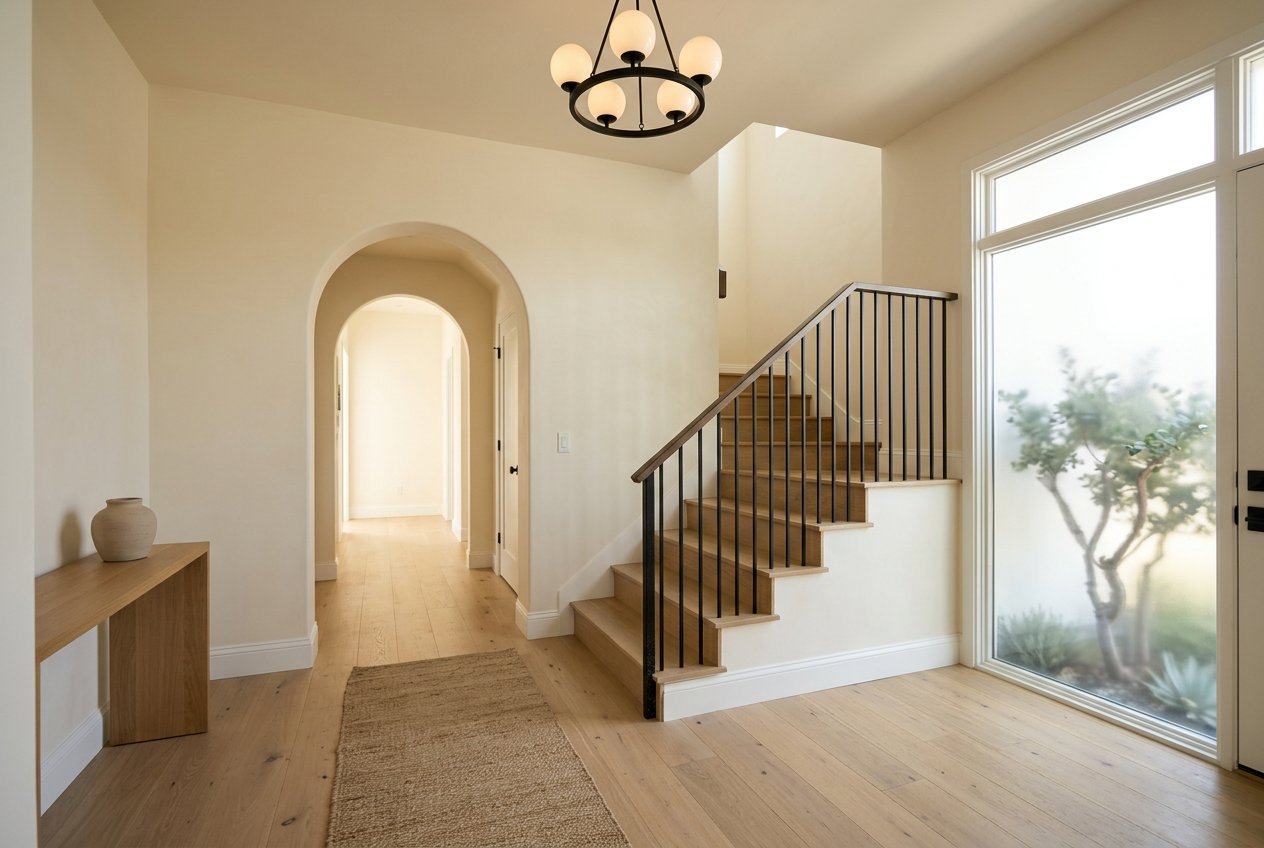
Pacific Grove blends small-town coastal living with a deep architectural heritage. You will see late 19th and early 20th century cottages, Craftsman-era homes, and mid-century infill alongside a few condos and townhomes. For local context on that historic fabric, explore the town’s heritage through the Pacific Grove Museum of Natural History.
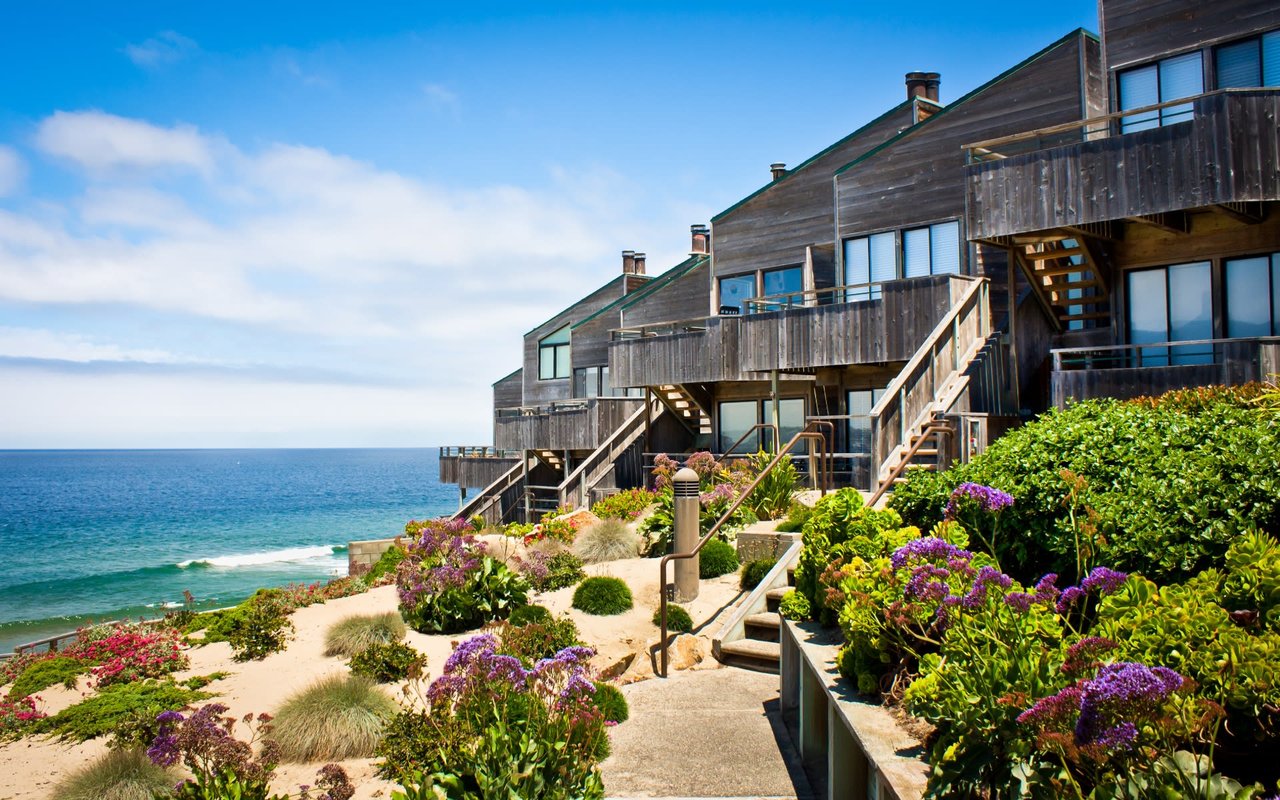
You get dramatic coastal scenery, trails, and quick access to beaches and tidepools. Expect more visitor activity, higher price premiums, and stricter coastal rules on permitting. Bluff-edge homes warrant extra structural and geotechnical attention during due diligence.
Walkability is the draw. You can enjoy dining, coffee, and the waterfront in minutes. Many homes are older with charming details and small yards. Parking can be tighter on narrow streets.
Wooded feel, trail access, and proximity to the Monarch butterfly habitat. Architecture leans cottage and Craftsman influences with a mellow, natural vibe. Some homes sit closer to dune or coastal zones, which can affect permits.
Quieter interior streets, some larger lots, and pockets that offer more space. You might trade direct shoreline access for a little more room and privacy.
Buying on the coast means planning for exposure to wind, salt, and moisture. Here are the key steps to protect your investment.
Marine exposure can accelerate corrosion of fasteners and flashing, wear on HVAC components, and weathering of paint and wood trim. FEMA’s coastal guidance outlines practices and materials that stand up better to salt air and storms. If you are buying near the ocean, ask your inspector to emphasize roofing, flashing, exterior fasteners, decks, attic and crawlspace moisture, and HVAC condition. For background, review FEMA’s coastal building science resources and insights from InterNACHI’s coastal inspection discussions.
Recommended specialists to consider:
Check FEMA flood maps for any coastal or low-lying parcel. Lenders typically require flood insurance for properties in Special Flood Hazard Areas. You can also request the relevant FEMA FIRM panel or an elevation certificate to understand risk and potential insurance costs. Local planning documents list applicable FIRM panels for Pacific Grove; see the city’s referenced appendix materials, such as the DEIR Appendix R.
California’s statewide sea-level guidance was updated in 2024 and is being incorporated into local planning. The California Ocean Protection Council’s guidance shows that coastal flooding and erosion risk will increase through mid-century. If you are considering a bluff-edge property, expect to see geotechnical studies and coastal permit triggers when renovating.
Standard homeowners policies do not cover flood damage. If a home sits in a mapped flood zone, your lender will likely require a flood policy. Plan ahead because some policies carry a waiting period; learn the basics through this overview of flood insurance fundamentals. Earthquake insurance in California is separate and can be obtained through the CEA or private carriers.
Expect slightly shorter replacement cycles for exterior paint, metal fixtures, decking, and HVAC near the ocean. The right materials, like stainless hardware and marine-grade fasteners, can extend service life and lower long-term costs.
Pacific Grove regulates short-term rentals by municipal code, including licensing, occupancy limits, and enforcement. If you plan to rent your home as a vacation rental, verify if your property location is eligible and whether a license, cap, or lottery applies. Review the city’s short-term rental chapter to understand requirements and penalties.
The city maintains a historic resources inventory. Homes identified as historic or within certain areas may have design review requirements for exterior changes. Recent Historic Resources Committee agendas provide a sense of how decisions are made; scan an example from the Historic Resources Committee to understand the process and terminology.
Water supply has been a long-running constraint on the Monterey Peninsula. New connections and increases in water use can involve special rules and fees. Because policies evolve, check current notices from local agencies and California American Water. For context on ongoing regional supply planning, see American Water’s regulatory filings in its annual report. Confirm the latest status with the Monterey Peninsula Water Management District and Cal-Am before you finalize plans for additions or ADUs.
Desirable listings can move quickly. Strengthen your position by having underwriting-ready pre-approval and a clear inspection plan. For ocean-view or bluff-edge homes, weigh view premiums against inspection findings, potential mitigation costs, and long-term maintenance. When competing, small terms like a reasonable inspection window, clear communication, and proof of funds for reserves can keep your offer attractive without sacrificing diligence.
Buying in Pacific Grove is about more than a great address. It is about understanding the coastal setting, mapping the rules, and buying a home you can enjoy for years. If you want a warm, concierge experience with clear guidance from search to keys, our team is here to help across the Monterey Peninsula and neighboring coastal markets. Start the conversation with 360 Real Estate Professionals and let’s plan your Pacific Grove purchase together.
Stay up to date on the latest real estate trends.
Get assistance in determining current property value, crafting a competitive offer, writing and negotiating a contract, and much more. Contact us today.
"We are never too busy for referrals!"
360 REAL ESTATE PROFESSIONALS
4740 Scotts Valley Dr Ste E,
Scotts Valley, CA 95066
Let's socialize