Scotts Valley vs San Lorenzo Valley Lifestyle Comparison
February 19, 2026
February 19, 2026
Trying to choose between Scotts Valley and the San Lorenzo Valley for your next move from the East Bay? You are not alone. Both offer redwood beauty and small‑town charm, but the daily experience can feel very different when you factor in commute patterns, schools, climate, homes, and price. This guide breaks down what matters most so you can match the area to your lifestyle. Let’s dive in.
Scotts Valley is a compact, incorporated city at the north end of Santa Cruz County, just off State Route 17. It is geared to quick access toward the South Bay and broader highway networks. You will find a more suburban feel, convenient services, and neighborhoods organized around CA‑17 corridors. You can read more about the city’s setting on the official city site at the Welcome page from the City of Scotts Valley.
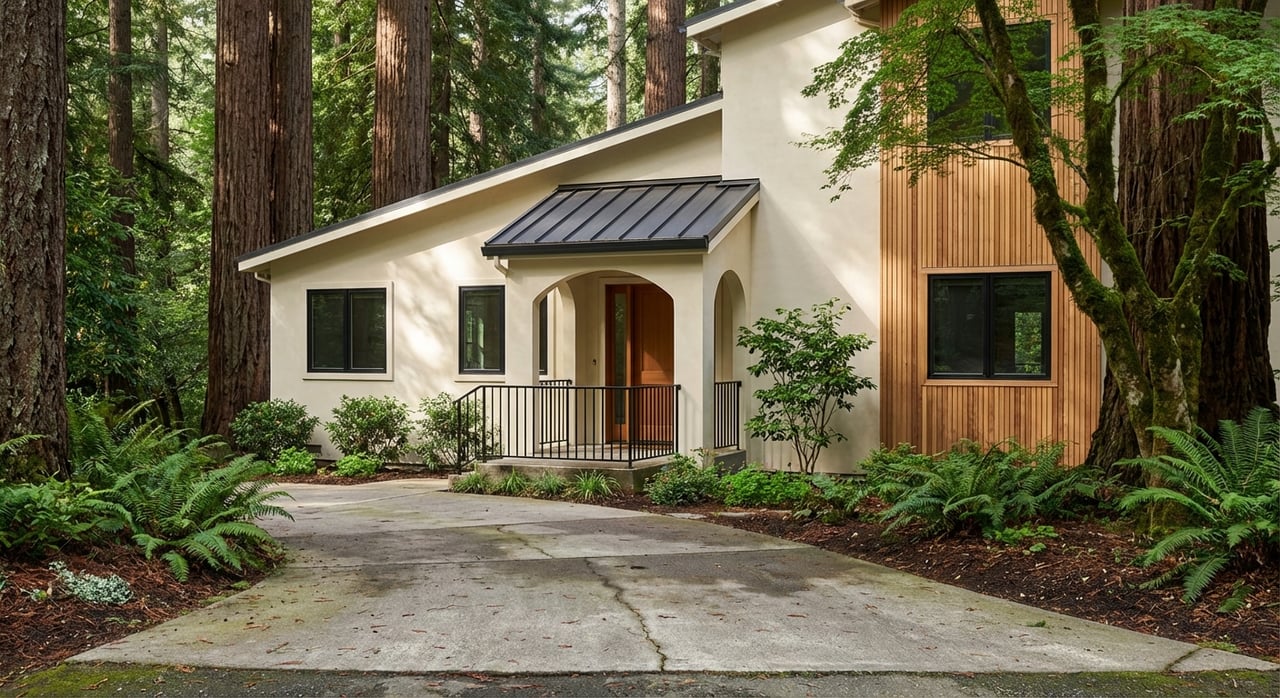
The San Lorenzo Valley is a string of small towns — Felton, Ben Lomond, and Boulder Creek — stretched along Highway 9 and the San Lorenzo River. It is deeply forested and linear, with neighborhoods tucked into redwood canyons and along ridges within the San Lorenzo River watershed as outlined by the regional watershed overview from the Coastal Watershed Council (watersheds by subregion). If you love towering trees, winding roads, and a more rural rhythm, the SLV often delivers that front‑door forest feel.
Both areas are served by well‑established public districts with comprehensive high schools. Always verify your address with the district for school assignments.
Scotts Valley High is relatively small at about 650 students and is rated strongly by school‑rating services. The school offers International Baccalaureate programming and has reported above‑average reading proficiency and a high graduation rate in available profiles. To review current snapshots, see the listing for Scotts Valley High on GreatSchools.
San Lorenzo Valley High in Felton serves Felton, Ben Lomond, and Boulder Creek. Enrollment is comparable at around 620 students, and rating services show a solid profile with reading scores often above state averages and more variable math results. Explore the current overview at San Lorenzo Valley High on GreatSchools.
What this means for you: both districts support typical K–12 needs. Scotts Valley often appeals if you want a compact, suburban district with IB access. The valley schools offer a multi‑town community feel with AP and college‑prep opportunities. Boundaries and programs can change, so double‑check assignment maps when comparing specific addresses.
If your job base is the East Bay, expect to cross the Santa Cruz Mountains. Scotts Valley sits on CA‑17, the faster mountain artery to Silicon Valley and regional highways. The San Lorenzo Valley follows CA‑9, which is a scenic, winding route that adds time before you reach CA‑17 or other major corridors.
Actual times vary with weather, incidents, and rush hour. These ranges reflect non‑peak estimates from the research:
There is no direct rail or BART from the mountains to the East Bay. Santa Cruz METRO operates the Highway 17 Express between Scotts Valley and San Jose Diridon, where you can connect to Caltrain or other services. A full transit commute to Oakland or Berkeley typically involves at least one transfer and can take 2 or more hours door to door.
Mountain corridors are sensitive to storms, slides, and wildfire responses, which can cause closures or long delays. Recent Bay Area storm coverage illustrates the real‑world impact on these routes, as reported in the San Francisco Chronicle’s storm impact project. If you plan to commute frequently, build in flexibility and consider hybrid work options.
Scotts Valley sits in a maritime‑influenced Mediterranean climate with mild, wet winters and cool, dry summers. The city retains redwoods and woodlands while feeling more suburban overall, and many neighborhoods enjoy easier sun exposure along with the coastal marine layer on certain mornings. Local climate summaries confirm the seasonal pattern of cool summers and winter rain.
The SLV’s canyon floors and forested slopes are cooler and shadier, with more moisture that supports dense redwood growth. Historical station normals near Felton indicate annual precipitation around 40 inches per year, which is consistent with a wetter, redwood‑friendly environment. You can review the Felton station normals at Climate‑Charts. Expect cooler evenings, seasonally muddy trails, and a strong sense of being in the forest. The watershed context for these communities is outlined in the San Lorenzo River watershed overview.
What this means for you: if you want drier summer afternoons and a bit more sun, Scotts Valley often fits. If you want deeper redwoods, creekside settings, and a year‑round forest feel, the SLV stands out.
What this means for you: Scotts Valley often provides easier access to city services with fewer onsite systems to manage. In the SLV, plan for well and septic diligence, slope and drainage considerations, and a bit more hands‑on property care.
Market conditions can shift quickly in small towns due to low monthly sales counts. The research snapshot for late 2024 through late 2025 shows these representative ranges:
How to use this: Scotts Valley generally sits at a higher absolute price point due to proximity to CA‑17, municipal services, and suburban housing stock. The San Lorenzo Valley can offer larger lots and sometimes lower entry prices, especially for smaller cottages or homes that need updates. Always compare active and recent local MLS comps for the specific neighborhood and home style you are targeting.
Choosing between Scotts Valley and the San Lorenzo Valley is about matching what you value most. If you want clear, local guidance and a plan that fits your commute, budget, and lifestyle, our team is here to help. Reach out to 360 Real Estate Professionals to Schedule a Free Consultation. We will map options, preview neighborhoods, and craft a buying strategy that feels right for you.
Stay up to date on the latest real estate trends.
Get assistance in determining current property value, crafting a competitive offer, writing and negotiating a contract, and much more. Contact us today.
"We are never too busy for referrals!"
360 REAL ESTATE PROFESSIONALS
4740 Scotts Valley Dr Ste E,
Scotts Valley, CA 95066
Let's socialize