Living in Watsonville CA: Commute, Community & Home Prices
February 5, 2026
February 5, 2026
Thinking about a Central Coast lifestyle without the coastal premium? If you want more space for your budget and a community with deep local roots, Watsonville is worth a close look. You care about commute time, neighborhood feel, and what you can actually afford. In this guide, you’ll learn how Watsonville stacks up on home prices, daily travel, schools, and everyday life so you can decide if it fits your goals. Let’s dive in.
Watsonville sits in southern Santa Cruz County near the Pajaro River and the Monterey County line. The city’s identity is shaped by agriculture, with berries, leafy greens, and flower production surrounding residential neighborhoods. You will find a working, family-centered community with a younger demographic profile than many coastal retirement areas. Many residents work locally in agriculture, health care, education, and services, while others commute to Santa Cruz, Salinas, Monterey, or Silicon Valley.
Watsonville is generally the more affordable side of Santa Cruz County housing. Compared with Santa Cruz or Aptos, you often get more interior square footage or a larger yard for a similar budget. It is still a high-cost coastal region, so affordability is relative, not absolute. Inventory can be tight, and new supply is limited by local land use and agricultural preservation.
When you are ready to compare neighborhoods and price bands, review the latest market data before making offers. Monthly reports from local real estate sources can help you understand current medians and trends.
Watsonville follows county-wide cycles. Seasonal spring listings can expand choice, while broader mortgage rate moves influence demand. Long-term supply is shaped by agricultural land protections, so plan for measured, neighborhood-by-neighborhood change rather than rapid expansion.
Your commute depends on where you are headed and when you travel. In light traffic, the drive to downtown Santa Cruz is commonly about 20 to 35 minutes. Monterey and the Peninsula are often 35 to 55 minutes, Salinas is about 25 to 40 minutes, and San Jose or Silicon Valley can run 60 to 90 minutes or more. Highway 1 is a two-lane coastal route in many stretches, and peak periods or seasonal visitors can add time.
Local transit can reduce driving, but most commuters still rely on cars for reliability.
Downtown Watsonville offers local restaurants, retailers, and community events. The area’s agricultural roots show up in seasonal farmers’ markets and harvest celebrations. For larger retail, specialty services, or higher-end dining, many residents head to Santa Cruz, Capitola, Salinas, or Monterey.
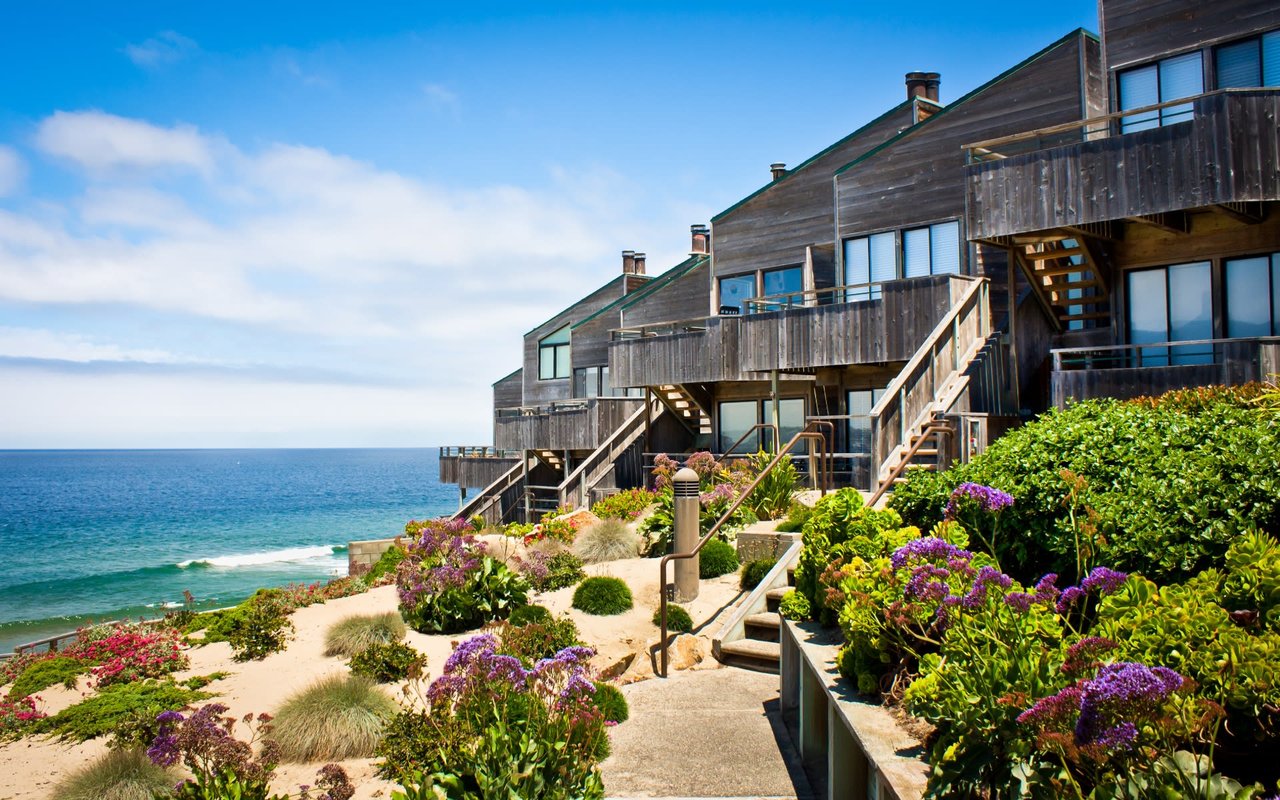
Outdoor lovers have easy access to the Watsonville Wetlands and nearby Elkhorn Slough for birding and nature walks. Several beaches are a short drive away, including Seacliff State Beach and Manresa State Beach. Regional attractions like the Santa Cruz Beach Boardwalk, Monterey Bay Aquarium, Cannery Row, and 17-Mile Drive are close enough for weekend outings.
Watsonville is primarily served by Pajaro Valley Unified School District (PVUSD). You will find a mix of traditional public schools, alternative and charter programs, and private options in the broader region. School performance varies by campus, so it is best to tour schools, review district profiles, and confirm attendance boundaries and enrollment policies directly with the district.
For higher education and continuing learning, Cabrillo College serves southern county residents, while Monterey Peninsula College, CSU Monterey Bay, and UC Santa Cruz are within commuting distance.
Buyers who need daily, time-sensitive commutes to Silicon Valley or who want the most immediate beach access may prefer Santa Cruz or Aptos despite higher prices.
A few local checks will help you buy with confidence:
If you are weighing space and value against commute and lifestyle trade-offs, Watsonville deserves a personal tour. A neighborhood walk-through, commute test, and a review of current market data will clarify fit and budget. When you are ready, connect with a local team that understands Santa Cruz County and the Central Coast and can guide you from search to close.
Have questions about neighborhoods, pricing, or how to structure a winning offer in Watsonville? Reach out to the boutique team at 360 Real Estate Professionals for a friendly, no-pressure conversation.
Stay up to date on the latest real estate trends.
Get assistance in determining current property value, crafting a competitive offer, writing and negotiating a contract, and much more. Contact us today.
"We are never too busy for referrals!"
360 REAL ESTATE PROFESSIONALS
4740 Scotts Valley Dr Ste E,
Scotts Valley, CA 95066
Let's socialize