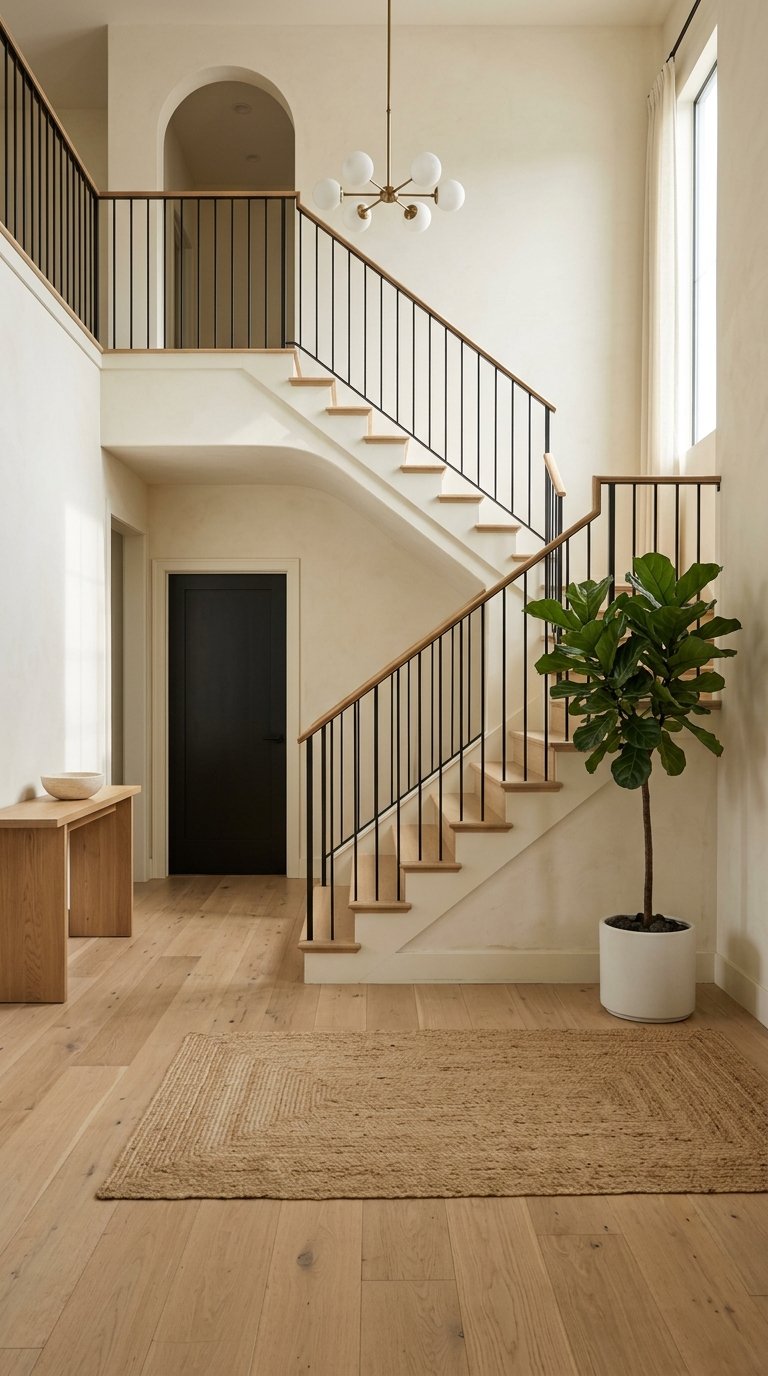
Capitola Second Home Buying in the Coastal Village
June 25, 2026
June 25, 2026
Dreaming about a place where you can step out for a beach walk, grab dinner in the Village, and settle into a true coastal routine without planning a full getaway? Buying a second home in Capitola can offer exactly that, but it also comes with some very specific local realities. If you are considering a second home in Capitola’s Coastal Village, this guide will help you understand the lifestyle, housing options, and key rules that can shape your ownership experience. Let’s dive in.
Capitola has a special kind of appeal because it feels like a beach destination while still being within reach of the Bay Area. The city describes Capitola Village as a longtime beachfront destination with restaurants, shops, galleries, summer concerts, and recurring festivals. For many second-home buyers, that mix creates the feeling of a true escape without going far.
The setting adds even more to that appeal. Capitola Village sits at the mouth of Soquel Creek and is framed by the beach, ocean, cliffs, bluffs, and the railroad corridor. The result is a compact, walkable coastal area that offers both scenery and convenience in one small footprint.
That said, seasonality is a real part of owning here. Summer concerts, the Begonia Festival, the Beach Festival, and the Capitola Art & Wine Festival bring energy and activity to the Village. The city also operates a free summer shuttle from Memorial Day weekend through mid-September on Saturdays, Sundays, and holidays, which gives you a clue about how active the area becomes during peak months.
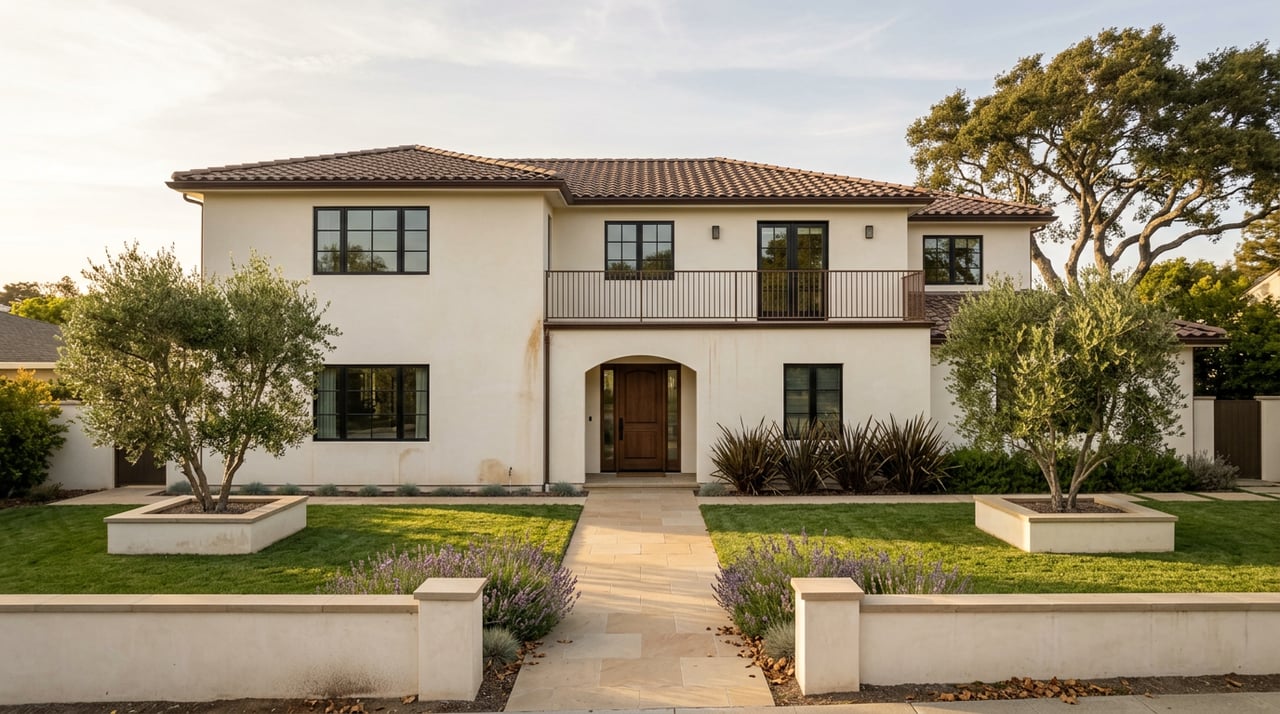
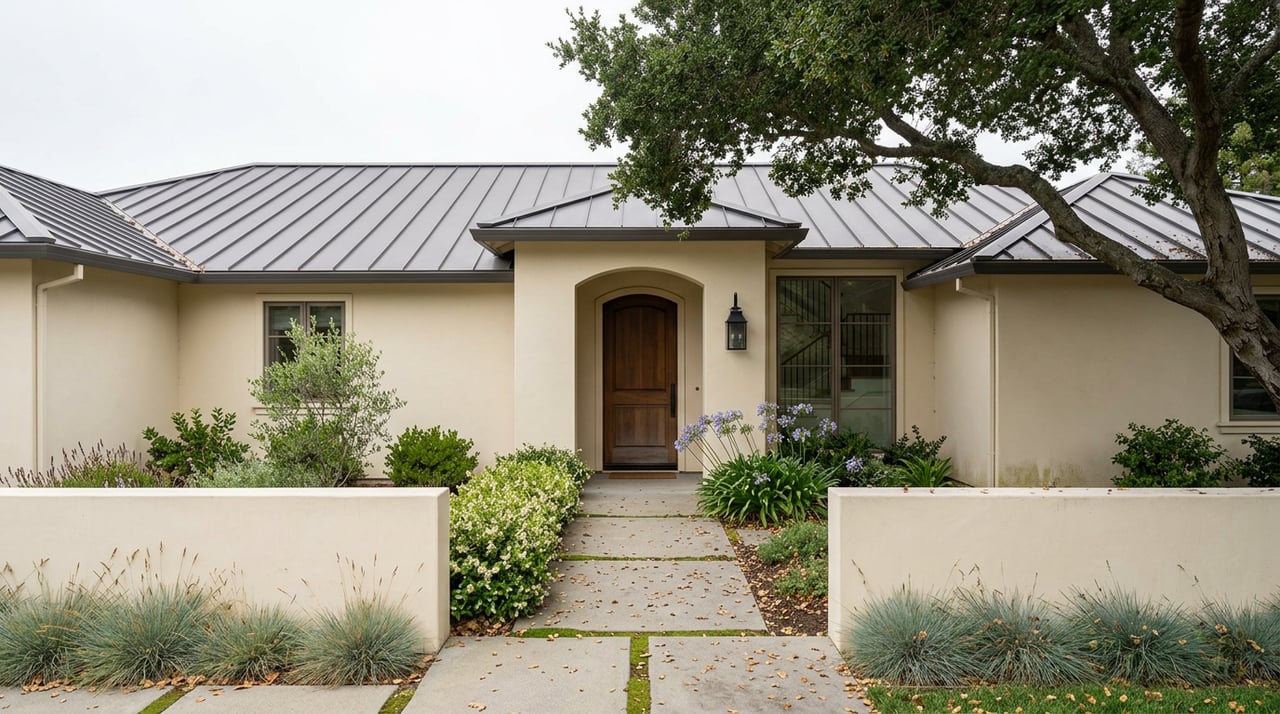
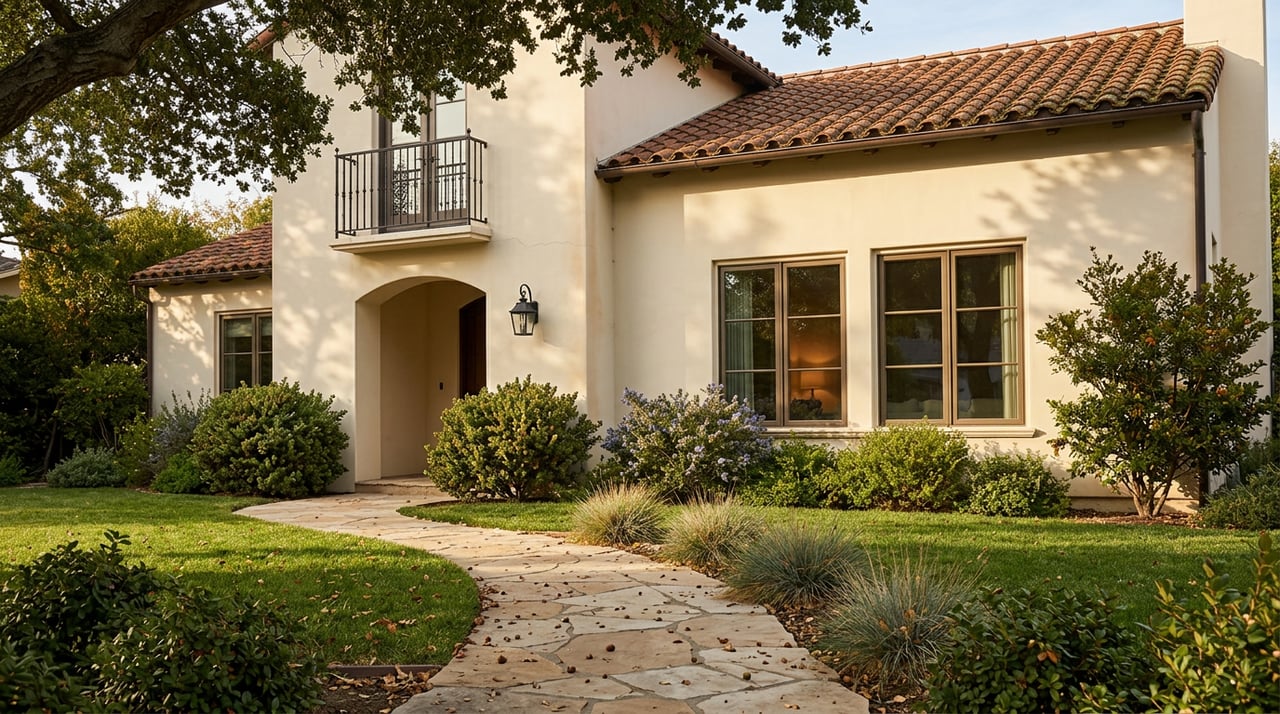
One of the most important things to understand is that Capitola Village is small, layered, and already largely built out. The city’s coastal planning documents describe a mix of architectural styles and eras, including cottages, Victorians, 1920s stucco buildings, and newer wood and stucco structures. Many homes are one- and two-story cottages on small parcels, which helps define the Village’s compact character.
You may also find more variety in property type than some buyers expect. The Village is a mixed-use district, and the city allows mixed-use residential and multifamily uses in the village overlay. In practical terms, your options may include cottages, townhomes, mixed-use residences, and smaller attached or multifamily properties, not just detached beach houses.
Because inventory is structurally limited, buyers often need to make thoughtful tradeoffs. There are very few undeveloped parcels left in Capitola’s coastal zone, and no large tracts for major growth. That scarcity can make Village and bluff-adjacent homes especially competitive, so your search may come down to balancing location, condition, parking, and future flexibility.
In many second-home markets, parking is helpful. In Capitola Village, it can be a major factor in how easy the property is to enjoy. The city says Village parking is limited to three-hour stays, nearby lots are recommended for longer visits, and seasonal residential parking enforcement runs from May 20 through September 20.
That means off-street parking is more than a nice extra. It can affect your daily convenience, how easily guests can visit, and how practical the property feels during busy seasons. If you are comparing homes, parking should be near the top of your list.
There are also permit details worth reviewing. According to the city’s parking FAQ, Village residents can receive two residential parking permits if no off-street parking exists. Non-resident owners of Village residential units may be eligible for one transferable permit per unit if there are no off-street spaces for that unit, which can be especially useful for second-home owners.
If rental flexibility is part of your plan, Capitola’s rules need close attention early in your search. Vacation rentals are allowed only inside the Vacation Rental Use overlay district, which covers the Village and a defined surrounding area. Outside that district, vacation rentals are prohibited.
Even within the overlay, there are specific requirements. The city requires a vacation rental permit, a business license, monthly Transient Occupancy Tax reporting, and one parking space per vacation rental unit. The city also states that ADUs cannot be used as vacation rentals.
Capitola’s current Transient Occupancy Tax rate for short-term lodging is 12%. The city also requires monthly reporting even during months with no occupancy. If you are hoping to offset costs with occasional rentals, it is important to confirm the property’s location, parking setup, and permit path before relying on any income assumptions.
A second home near the coast can be rewarding, but you should go in with a clear view of the local conditions. Capitola’s coastal planning documents identify bluff and beach erosion, flooding, landslides, and tsunami exposure as real planning issues. The Local Coastal Program also notes that portions of the Village and the mouth of Soquel Creek could be inundated by a tsunami.
If a property is near a bluff or cliff edge, additional review may come into play. The city requires geologic or engineering review for bluff-top or cliff-edge development within 200 feet of the cliff edge. That can matter not only for safety, but also for what you may be able to do with the property over time.
Insurance deserves just as much attention. The California Department of Insurance says standard homeowners policies typically exclude flood damage, and earthquake coverage is separate from a standard homeowners policy. Its earthquake guidance also notes that earthquake insurance does not cover tsunami or flood water damage, so it makes sense to review flood, earthquake, and any supplemental coastal coverage early in the process.
Many second-home buyers want the option to improve a property over time. In Capitola, that goal needs to be matched with the city’s coastal and planning framework. The Local Coastal Program prioritizes views, coastal resources, and structural stability, which can affect remodels, expansions, and other property changes.
This does not mean improvements are off the table. It does mean you should ask detailed questions before you buy, especially if the property’s value to you depends on future updates, added space, or changes to how the home is used. In a market as constrained as Capitola Village, future flexibility can be just as important as the home’s current layout.
Second-home buyers should also prepare for a tax picture that may change after closing. Santa Cruz County says property taxes are handled through the Assessor-Recorder, Auditor-Controller, and Treasurer-Tax Collector. The county also notes that supplemental property tax bills can be issued after a change in ownership or new construction.
That is important because the seller’s current tax bill may not reflect what you will owe after the purchase. If you are budgeting for a second home, make room for that possibility. A clear review of expected ownership costs can help you avoid surprises later.
A beautiful location can make it easy to fall in love quickly, but a smart purchase depends on the details. Before you write an offer, it helps to walk through the local factors that matter most.
Here are a few key questions to ask:
Capitola’s Coastal Village stands out because it offers walkability, beach-town character, and real scarcity in a compact setting. That combination is a big part of why buyers are drawn here for second-home ownership. You are not just buying square footage near the water. You are buying into a very specific place with its own rhythm, rules, and long-term considerations.
For the right buyer, that can be exactly the point. If you value easy beach access, Village energy, and a coastal home that feels connected to everyday life, Capitola may be a strong fit. The key is making sure your purchase matches how you actually want to use the property, both now and over time.
If you are considering a second home in Capitola, working with a local team can help you weigh the tradeoffs clearly and move forward with confidence. 360 Real Estate Professionals offers concierge-style guidance rooted in Santa Cruz County knowledge, so you can evaluate lifestyle, logistics, and property details with a steady local perspective.
Stay up to date on the latest real estate trends.
Get assistance in determining current property value, crafting a competitive offer, writing and negotiating a contract, and much more. Contact us today.
"We are never too busy for referrals!"
360 REAL ESTATE PROFESSIONALS
4740 Scotts Valley Dr Ste E,
Scotts Valley, CA 95066
Let's socialize